







Search Results for: Brewing Differences
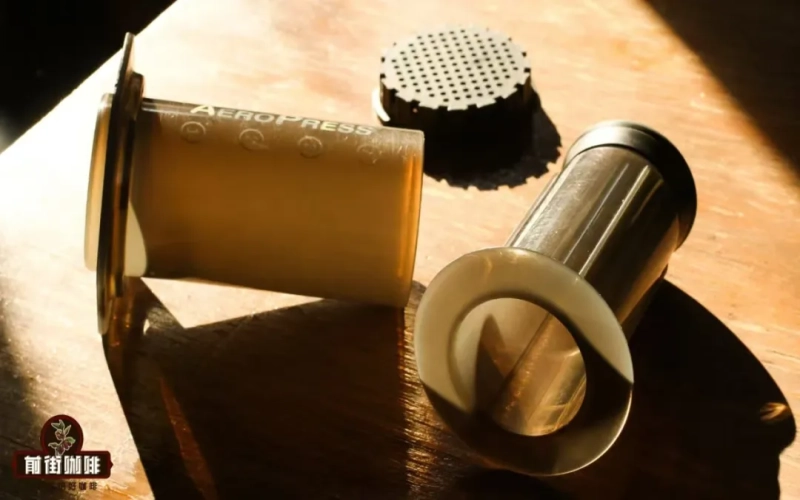
AeroPress Standard vs. Inverted Method Comparison Review: Operational Differences, Flavor Performance, and Equipment Differences from the French Press
The AeroPress is a coffee brewing device that is simple to operate yet offers a wide variety of brewing methods. The official recommendation is the standard (upright) method, but most enthusiasts prefer the inverted method. Through a comparative experiment conducted by Front Street Coffee using Geisha Village Chaka beans, this article provides a detailed analysis of the differences between the standard and inverted methods in terms of operation flow, extraction time, and flavor performance, and explains why the inverted method is more favored. At the same time, the article also compares the AeroPress with the French press, helping readers understand the differences between the two devices in extraction principles and suitable scenarios, providing a reference for daily brewing. [more…]
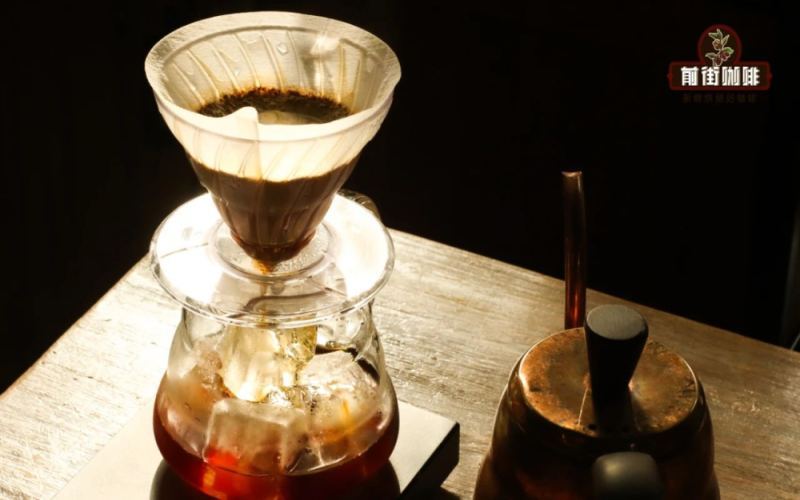
Comparing Ice Order in Iced Pour-Over Coffee: Brewing Differences and Flavor Performance Between Adding Ice First and Adding Ice Last
Iced pour-over coffee is a popular way to drink coffee in the heat of summer, but does the timing of when the ice is added—before or after brewing—really affect the final flavor? Front Street Coffee used Gold Label Geisha as a sample and conducted controlled brews at 93°C, comparing the similarities and differences between the two methods from the brewing process to the tasting experience. The article not only breaks down the specific steps for adding ice first versus adding ice later, but also records the flavor changes right after the first sip and after letting it sit for 5 minutes, helping coffee enthusiasts find the cup that better suits their own taste. [more…]

Iced Pour-Over Coffee Bean Selection Guide: Flavor Differences Between Hot and Iced Brewing and Front Street Coffee's Recommended Bean List
In the heat of summer, iced pour-over coffee becomes the top choice for many coffee lovers. But not all coffee beans are suitable for iced brewing, and there are clear differences in flavor and mouthfeel between hot pour-over and iced pour-over. Starting from Front Street Coffee's actual brewing methods, this article compares in detail the differences between iced pour-over and hot pour-over in grind size, coffee-to-water ratio, water temperature, and pouring technique, and uses three beans—Front Street Ethiopia Huakui, Brazil Queen's Estate Yellow Bourbon, and Indonesia Golden Mandheling—for flavor comparisons. It also sorts out the types of coffee beans suitable and unsuitable for making iced pour-over, and recommends standout beans such as Front Street Ethiopia TOH Washed Champion Bean Huaxu, Front Street Strawberry Candy, Front Street Blackberry, Front Street Colombia Sidra, and Front Street Big Belly, helping you choose the right beans in summer and make a clean, refreshing cup of good coffee. [more…]
American Coffee Brewing Ratio and Water Temperature Explained: A Full Analysis of the Differences Between American and Espresso Coffee and Their Brewing Methods
Americano may seem simple, but in reality, everything from the coffee-to-water ratio to water temperature control requires careful attention. This article provides a detailed introduction to the origins of Americano, standard brewing parameters, optimal extraction temperatures, and storage tips, while also offering an in-depth comparison of the fundamental differences between Americano and espresso in terms of preparation methods and extraction philosophy. Whether you prefer a light, delicate flavor or a rich, intense taste, understanding these details can help you make a cup of coffee that better suits your preferences. The article also covers the controversy over the practices of Australian-style coffee shops, differences in caffeine content, and Starbucks' role in driving the global popularity of Americano, along with purchasing advice from Front Street Coffee. [more…]
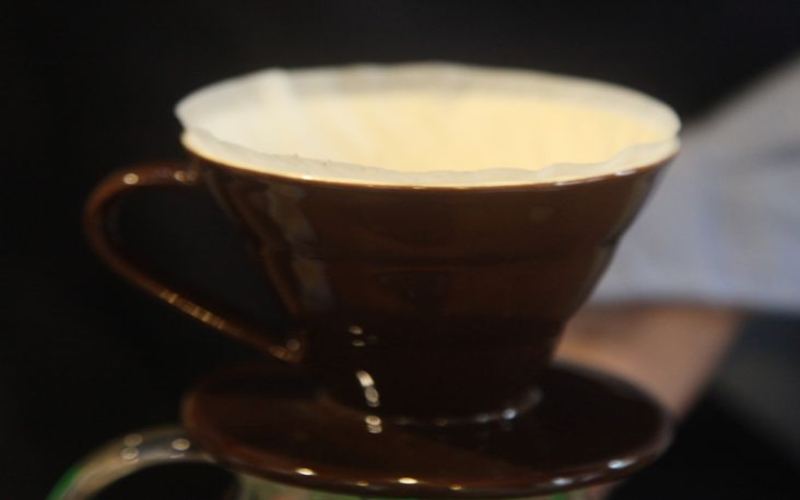
An Analysis of the Differences Between the Hario V60 Dripper 01 and 02 Models: A Comprehensive Comparison of Opening Size, Capacity, and Brewing Flavor
The Hario V60 dripper is almost ubiquitous in the specialty coffee world—whether in independent cafés or chain brands, you're bound to see it. But faced with the dazzling array of V60 models on the market, especially the two common sizes 01 and 02, many coffee enthusiasts aren't clear about what substantial differences actually exist between them. This article will start from the classic design principles of the dripper, systematically outline the three core structural advantages of the V60, then break down one by one the heat retention and price differences among the three materials—resin, ceramic, and glass—and focus on comparing 01 and 02 in terms of capacity, opening size, and suitable scenarios. It will also mention special models such as the brass version and championship collaboration editions, helping you make a more rational choice based on your own needs. [more…]
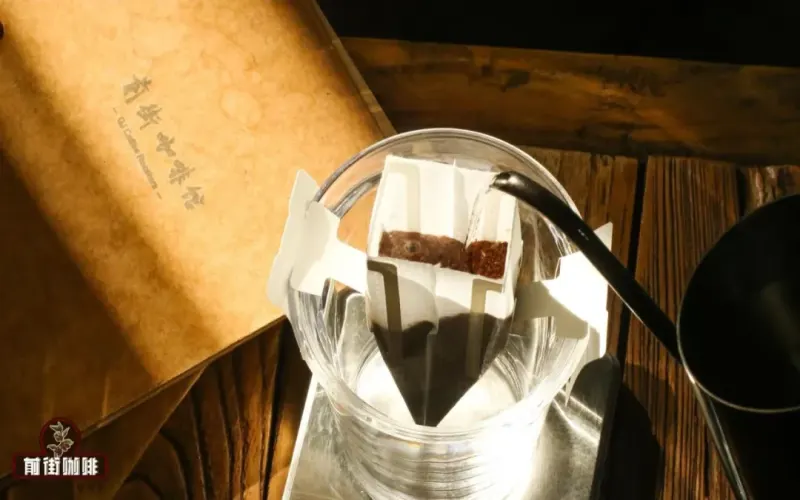
Should You Bloom When Brewing Drip Bag Coffee? Differences from Pour-Over and How to Brew It Correctly
Drip bag coffee is often seen as a convenient alternative to pour-over coffee, but does it also need blooming during brewing? This article, through a comparative experiment with Front Street Coffee Chaka Geisha drip bag coffee, analyzes the differences in concentration and flavor between blooming and not blooming, and explains the principle that blooming helps release carbon dioxide and improves extraction efficiency. At the same time, considering the characteristics of drip bag coffee being pre-ground and prone to carbon dioxide loss, it offers suggestions to shorten the blooming time, helping coffee lovers make a better-tasting drip bag coffee in their daily brewing. [more…]
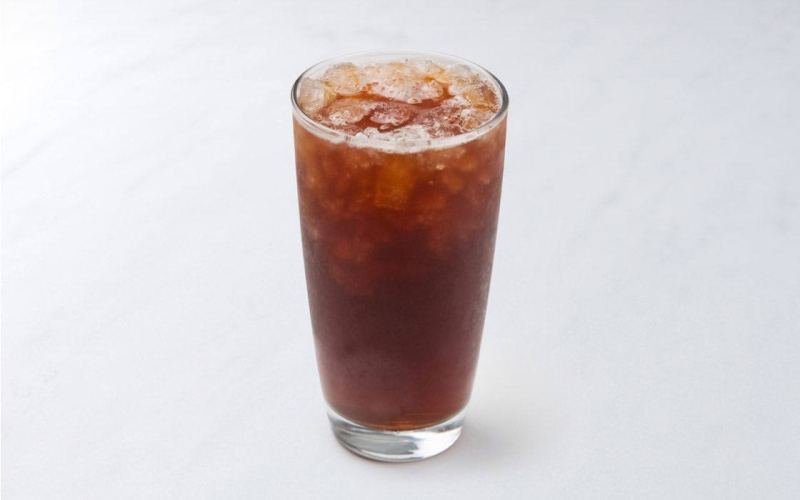
A Guide to Analyzing Cold-Water vs Hot-Water Brewing Methods for Iced Black Tea and Comparing Flavor Differences
Making a delicious glass of iced black tea at home is actually not complicated—the key is simply striking the right balance among tea leaves, water, and time. This article will introduce two ways to make iced black tea: cold brewing and hot brewing. It will go over the steps for each, the types of tea they suit, and the occasions they are best for, and compare the flavor differences between the two methods. The article uses loose-leaf tea for demonstration, but tea bags work just as well. In addition, it will recommend oolong and herbal teas suitable for cold brewing, as well as Front Street Coffee's teaware and tea selections, to help you easily make a satisfying glass of iced black tea at home. [more…]
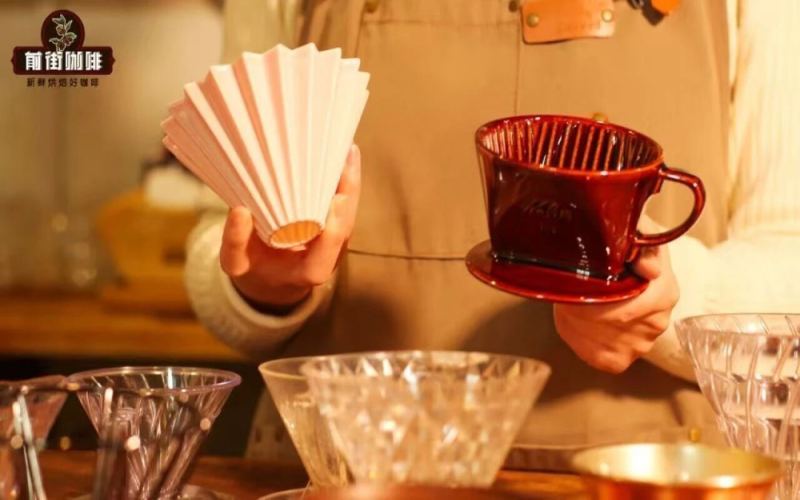
Comparative Experiment: V60 vs. YASUKIYO Wooden Dripper — Extraction Differences and Pairing Suggestions for the Same Yunnan Coffee Beans
Different drippers, due to differences in shape, hole size, and groove design, directly affect water flow rate and degassing, causing the same coffee beans to present entirely different flavor expressions. For this test, Front Street chose the V60 and the YASUKIYO wooden dripper, using the same brewing method and parameters to conduct a comparative test on Front Street 2013 Yunnan Small-Bean Typica, keeping water temperature, grind size, and pouring method as consistent as possible, to observe the differences between the two drippers in aroma, mouthfeel, and extraction efficiency. The article will separately analyze the structural characteristics of the two drippers and give recommendations for Front Street coffee beans that pair well with each, helping coffee lovers choose equipment more purposefully in their daily brewing. [more…]
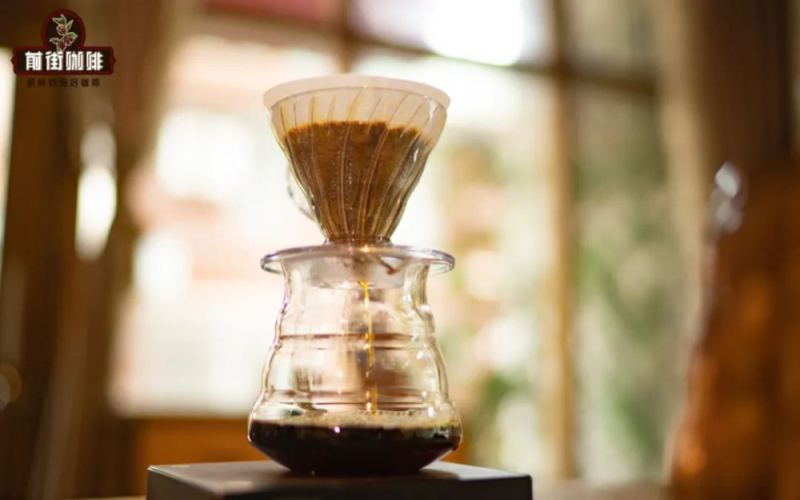
How Does Filter Cone Material Affect Coffee Extraction? Analyzing Brewing Differences Through Thermal Conductivity and Specific Heat Capacity
Coffee filter cups on the market come in a wide variety of materials—resin, glass, ceramic, and metal each have their own fans—but what real impact do different materials actually have on brewing? Many people's first thought is the price difference, but setting aside cost, the most core difference between materials lies in their ability to control temperature. Thermal conductivity determines how quickly heat is transferred, while specific heat capacity relates to how much heat an object can store. Together, these two physical parameters directly change the temperature performance of hot water during the extraction process. Metal conducts heat fastest but also dissipates it quickly; ceramic has a high specific heat capacity but needs thorough preheating; glass performs mildly; and resin, because it absorbs heat slowly, has almost no effect on water temperature. In this article, Front Street Coffee will break down the characteristics of four common filter cup materials one by one, and combine them with the actual differences in flow rate among V60 versions made of different materials, to help everyone understand why you cannot simply copy extraction formulas from the internet, but should instead flexibly adjust your brewing strategy according to the material of the filter cup in your hands. [more…]
How to Make Clean Coffee Without a Paper Filter? A Full Analysis of Immersion Brewing Time and Its Differences from Pour-Over
Have you ever suddenly found yourself out of filter paper while brewing coffee at home—does that leave you completely stuck? Actually, that's not the case. Filter paper is indeed indispensable for pour-over and other drip-style extractions, but if you switch to immersion extraction, its role becomes optional. Immersion extraction means fully steeping the coffee grounds in water. The extraction efficiency gradually slows as the water temperature drops and the concentration difference decreases, so over-extraction is less likely, the margin for error is higher, and the mouthfeel is fuller. Even without any filtering tool, as long as you master a few small techniques, you can still brew a clean, grit-free cup of coffee. In this article, Front Street Coffee will use a native variety from Ethiopia's Kafa Forest, relying on just two containers and a spoon, to test the entire process of filter-free immersion extraction, and compare the core differences between immersion and drip methods. [more…]
Analysis of the Differences in Brewing Methods for Dark Roast and Light Roast Coffee: Key Points on Water Temperature, Grind Size, and Time, Coffee-to-Water Ratio
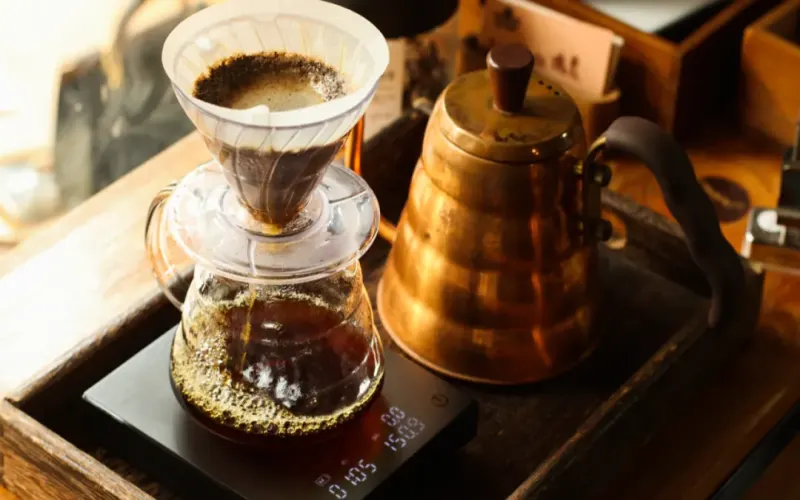
In coffee brewing, the roast level directly influences the choice of extraction approach. Light-roasted beans generally require a higher water temperature and a finer grind, while dark-roasted beans are better suited to a lower water temperature and a coarser grind, in order to balance flavor and avoid over-extraction. This article will compare in detail the differences in brewing technique between the two roast levels, and explain why the time and coffee-to-water ratio remain the same. By understanding these core variables, coffee lovers can adjust parameters more flexibly and improve the consistency and taste of their daily brews. The article also includes practical recommendations from Front Street Coffee to help readers get up to speed quickly in practice. [more…]
A Comparative Analysis of the Flavor Differences Between Mandheling and Blue Mountain Coffee: A Full Comparison of Origins, Processing Methods, and Brewing Performance
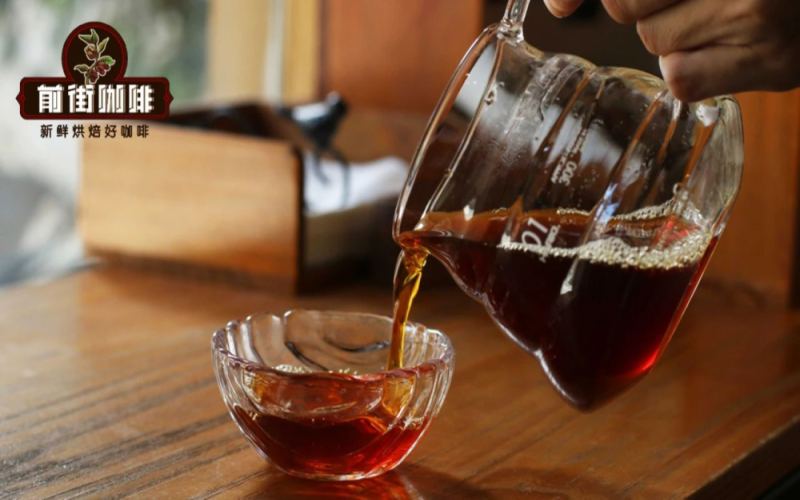
Mandheling and Blue Mountain are both classic representatives of dark-roasted coffee, yet due to differences in their origin terroir and processing methods, they present completely different flavor trajectories. The former comes from Sumatra, Indonesia, where the wet-hulling method gives the coffee a muted yet rich herbal, woody, and spicy character; the latter is produced in the Blue Mountains of Jamaica and is renowned for its balanced acidity, sweetness, and bitterness along with a smooth, creamy texture. This article will comprehensively break down the differences between the two coffees, from production region background, variety origin, processing techniques, and grading standards to brewing recommendations, while retaining Front Street Coffee's recommendations and brewing parameters for PWN Golden Mandheling and authentic Blue Mountain No. 1, helping coffee enthusiasts more clearly understand the flavor logic of the two. [more…]
A Full Analysis of the Differences Between V30 and V60 Drippers: The Impact of Cone Angle Design on Extraction and the V30 Brewing Method
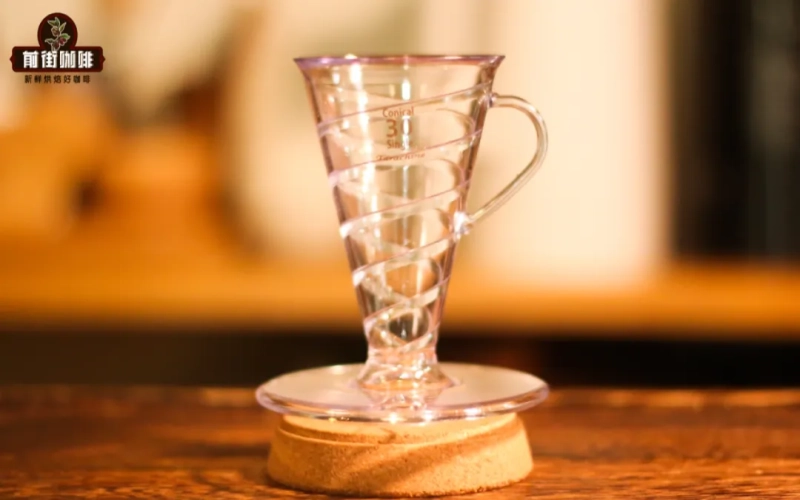
After sharing V60 small-dose brewing techniques, Front Street Coffee received many reader inquiries about how to use the V30 dripper, and some customers also asked in-store about the differences between the V30 and V60. For this reason, Front Street Coffee deliberately placed these two conical drippers side by side for a horizontal comparison. Although their names and shapes are similar, the V60 and V30 come from two different Japanese companies, Hario and Tarachine Conical, respectively, and because of their different cone-angle designs, their extraction effects are also vastly different. This article will analyze the origin of their names, structural differences, and the impact of coffee bed depth on extraction, and will also introduce the brewing method for the V30 dripper in detail, helping coffee enthusiasts understand the characteristics of these two devices more clearly. [more…]
How Is Ice Drip Coffee Different from Cold Brew? A Comprehensive Analysis from Brewing Methods to Flavor Differences
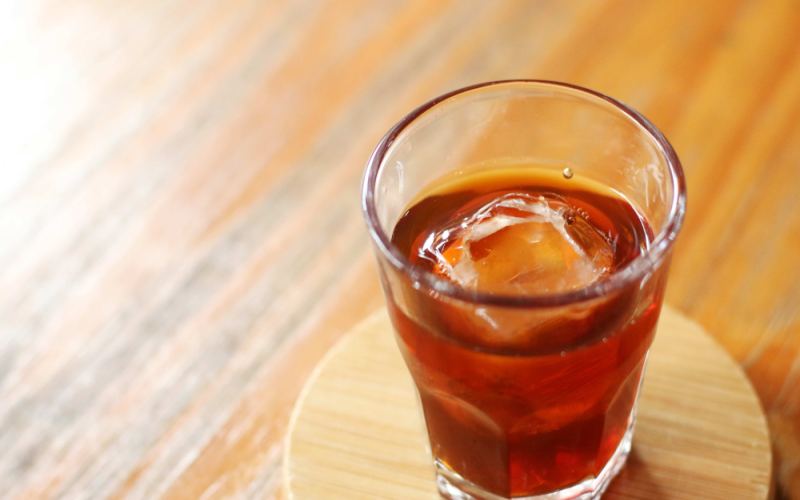
Many customers who come to Front Street Coffee for a drink often ask whether iced drip coffee and cold brew coffee actually differ in taste. Although both fall under the category of cold-brewed coffee, their extraction methods and the final flavors they present are completely different. Iced drip coffee relies on ice water slowly dripping through the coffee grounds, takes a long time, and requires specialized equipment; cold brew coffee, by contrast, uses cold water to directly soak the coffee grounds, making it relatively simple to prepare. Starting from Front Street's actual brewing parameters, this article will compare in detail the specific differences between these two cold coffees in production process, final product form, and flavor performance, and use a light-roast washed Yirgacheffe as an example to show the different flavor directions of the same bean under the two methods. [more…]
What Are the Fundamental Differences Between Coffee and Soy Milk? A Coffee Basics Guide from Plant Classification to Brewing Techniques
Coffee and soy milk are often compared with each other, but the two are actually completely different from plant source to production method. This article starts with botanical classification, sorting out the fundamental differences between the coffee tree and the soybean, then compares the water-grinding and filtration process of soy milk with the process coffee must go through—roasting, grinding, and brewing—and further explains the sources of coffee's four flavors: acidity, bitterness, sweetness, and body, as well as the significance of the oils on the coffee surface for espresso. The article also introduces the four common stages of coffee roasting, helping beginners build a systematic framework for understanding coffee, making it suitable for enthusiasts new to coffee and baristas as an introductory reference. [more…]
Espresso vs. Blue Mountain Coffee: A Comprehensive Comparison of Flavor Differences from Brewing Methods to Bean Selection
Coffee enthusiasts often ask: what exactly is the difference between espresso and Blue Mountain coffee? Which one tastes better? In reality, these two belong to completely different conceptual categories—the former is a high-pressure rapid extraction method originating from Italy, while the latter is a premium coffee bean variety produced in the Blue Mountain region of Jamaica. This article will provide a detailed comparison from the perspectives of brewing principles, flavor characteristics, and identification points, helping readers clarify the essential differences between espresso and Blue Mountain coffee. It will also introduce the unique features of Front Street Blue Mountain No. 1 coffee beans, and why making espresso with Blue Mountain beans becomes an interesting hypothesis. Whether you are a beginner just getting into coffee or an enthusiast hoping to deepen your coffee knowledge, you will gain a clear understanding from this. [more…]
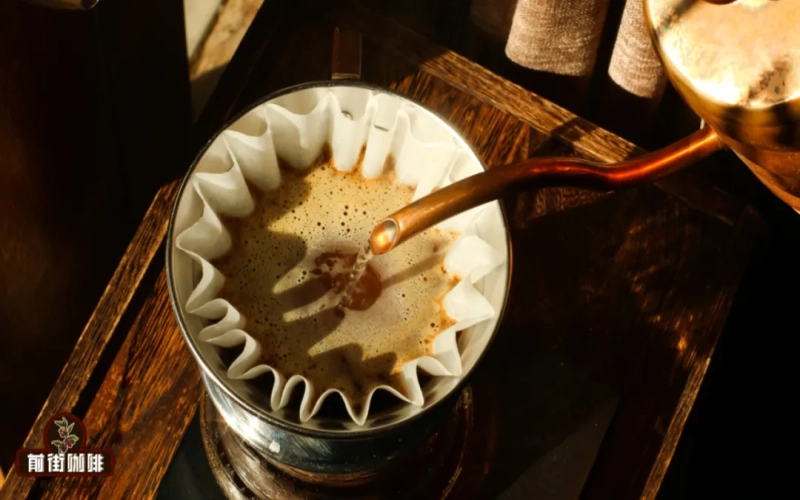
Why Does Pour-Over Coffee Favor Staged Pouring? Analyzing the Extraction Efficiency and Controllability Differences Between the One-Pour Method and the Three-Stage Method
In the world of pour-over coffee, the choice of pouring method often determines the final flavor direction. Although brewing techniques emerge endlessly, multi-pour pouring has always remained mainstream—whether in professional competitions, café offerings, or enthusiasts' daily practice, its presence can be seen everywhere. Many friends who are just getting into pour-over ask Front Street Coffee: why do we always have to divide the water into several pours? Behind this actually involves two key factors: the improvement of extraction efficiency and the controllability of the brewing process. This article will unfold around the differences between single-pour and three-stage pouring and other staged pouring methods, analyzing the advantages of multi-pour pouring from the perspectives of extraction time and concentration differences, while also answering why immersion extraction has a higher fault tolerance rate, helping everyone understand the essence of the pouring logic in pour-over coffee. [more…]
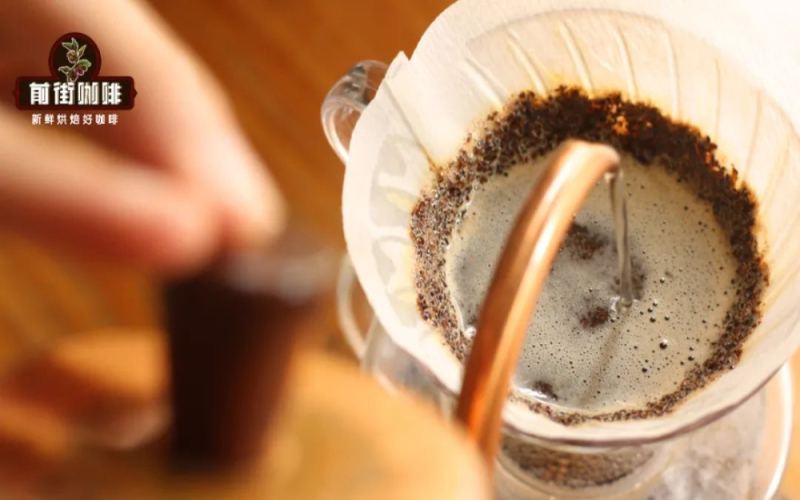
Fine Grind Fast Pour vs. Coarse Grind Slow Pour: Flavor Differences and Practical Comparison of Two Pour-Over Schools
In the world of pour-over coffee, beyond the common brewing schools, two opposing approaches have emerged, divided by grind size and brew time: fine grind fast brew and coarse grind slow brew. Both are based on the same extraction principles, yet they deliver entirely different drinking experiences. This article will analyze the theory behind these two approaches from the perspectives of surface area, water flow rate, and dripper pairing, and conduct a practical comparison using the same medium-roast Papua New Guinea · Bird of Paradise beans, using a V60 and a Kono dripper, the same coffee-to-water ratio and water temperature, to observe the specific flavor differences between fine grind fast brew and coarse grind slow brew, helping coffee enthusiasts understand how to choose the right brewing strategy based on grind size. [more…]
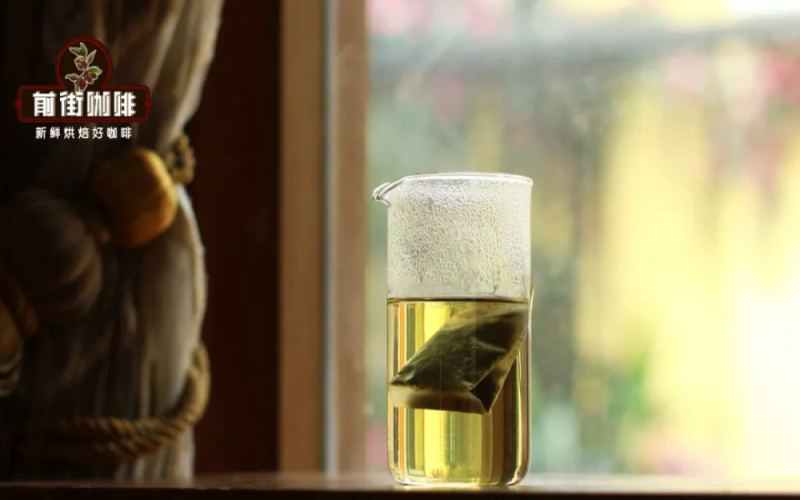
Analyzing the Differences Between Tea-Bag Coffee and Drip Bag Coffee: Brewing Methods, Extraction Principles, and Hot vs. Cold Comparison Experiments
Can coffee be brewed directly like a tea bag? Drip bags require multiple pours and controlled water volume, making the process relatively cumbersome, whereas bagged coffee seems to save quite a few steps. Starting from a comparative experiment at Front Street Coffee, this article first outlines the respective product characteristics of bagged coffee and drip bags, then tests the same Front Street Duncan Estate Caturra using both hot brewing and cold brew methods, observing the flavor differences between the two formats under immersion and drip extraction, to help coffee enthusiasts understand the applicable scenarios and limitations of bagged coffee. [more…]
An Analysis of the Flavor Differences Between Natural and Washed Blue Mountain Coffee and a Guide to Brewing Natural Blue Mountain
Front Street Coffee's Blue Mountain coffee has long presented a classic balanced flavor through wet processing. Since 2019, it has begun exploring natural processing, and in 2020, it first exported small batches of natural Blue Mountain. This article systematically compares two Blue Mountain No. 1 coffees from Jamaica's Clifton Farm—natural and washed—from brewing techniques to flavor performance. Clifton Farm has an average elevation of 1,310 meters, a cultivation history dating back to the mid-eighteenth century, and is the only coffee farm in Jamaica certified by the Rainforest Alliance. The article will document brewing parameters and techniques in detail, and separately describe the aroma, acidity, sweetness, body, and aftertaste of the two coffees, helping coffee enthusiasts understand the specific flavor differences between natural Blue Mountain and washed Blue Mountain, while also providing brewing suggestions for natural Blue Mountain. [more…]